
UPDATES
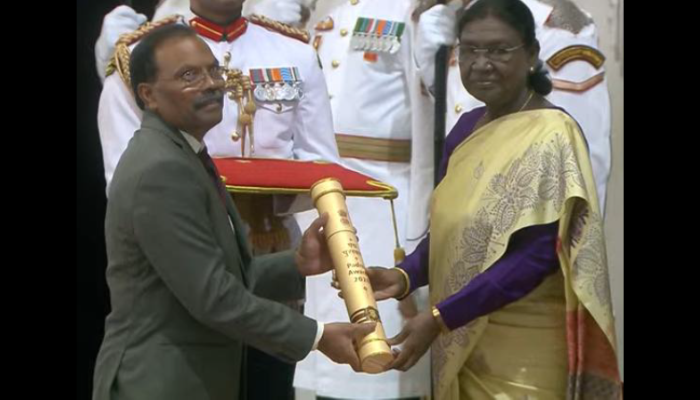
Dr K Thangaraj has been a strong advocate for genetic testing for rare genetic diseases in the country.
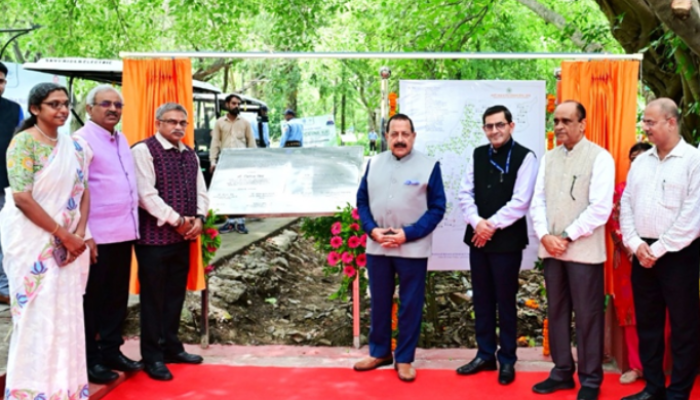
The Eco-Educational Hub is envisaged as a national destination for experiential learning and public engagement, bringing together botanical diversity, conservation, heritage and scientific outreach.
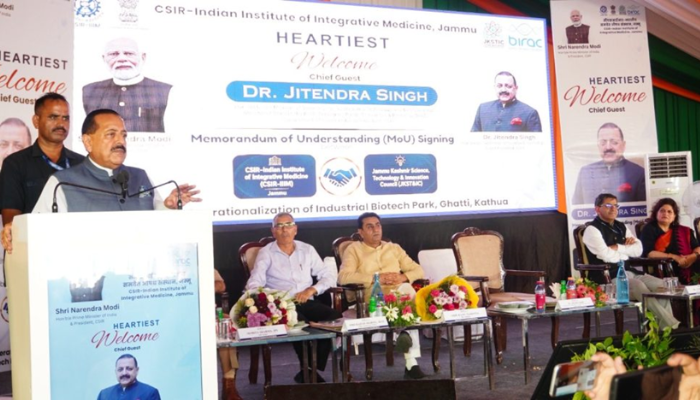
Referring to Prime Minister Shri Narendra Modi’s vision of Viksit Bharat 2047, Dr Jitendra Singh said Jammu & Kashmir has the potential to become a major contributor to India’s journey towards
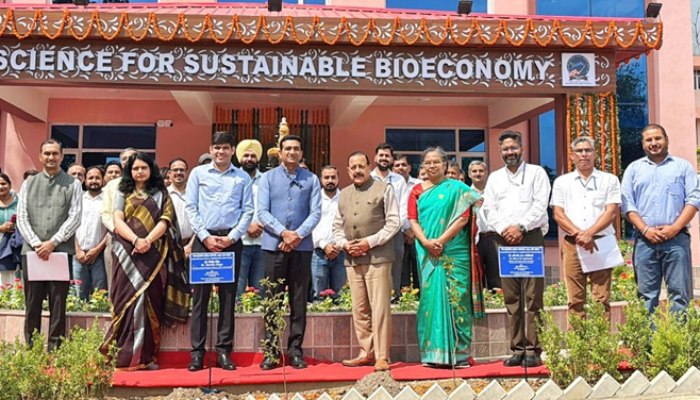
Dr N Kalaiselvi, DG, CSIR, lauded the contributions of the institute and wished it grand success in its upcoming endeavours.
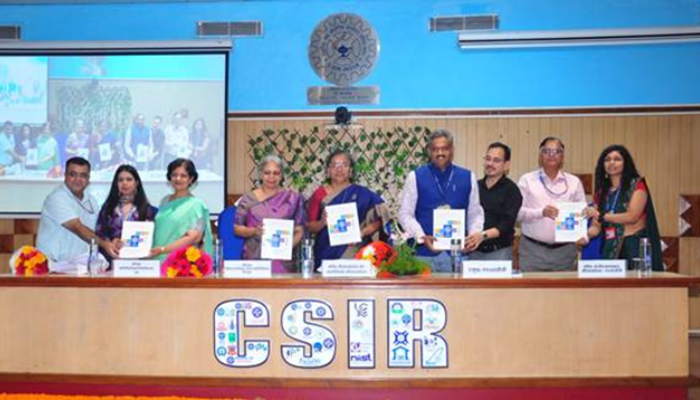
CSIR-ASPIRE Compendium Released, Next Phase of the Scheme to Focus on Inclusion, Innovation and Technology Translation.
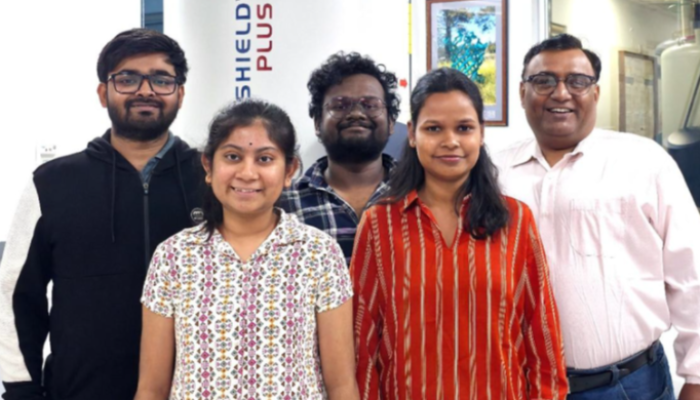
For agriculture, this discovery opens new avenues for developing crop varieties with enhanced natural immunity.
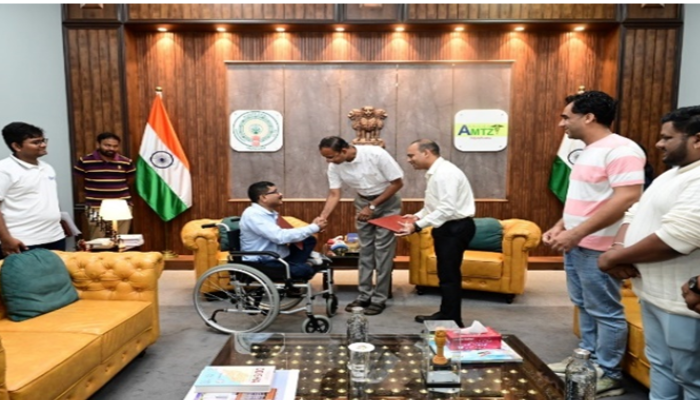
This strategic collaboration is expected to significantly enhance the technology readiness and commercialisation potential of healthcare innovations developed across CSIR laboratories.
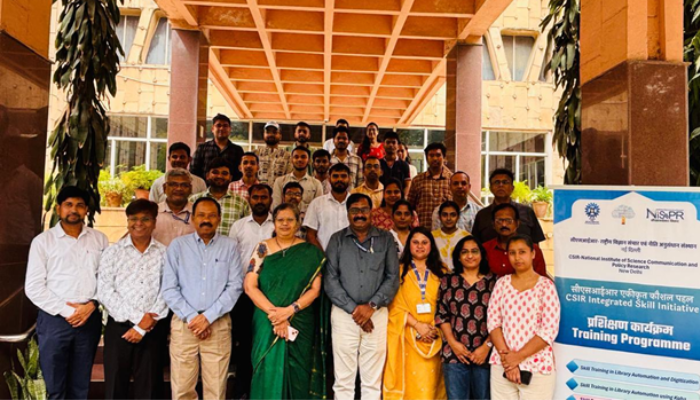
Designed with a strong emphasis on experiential learning, the programme combined expert lectures with extensive hands-on sessions.
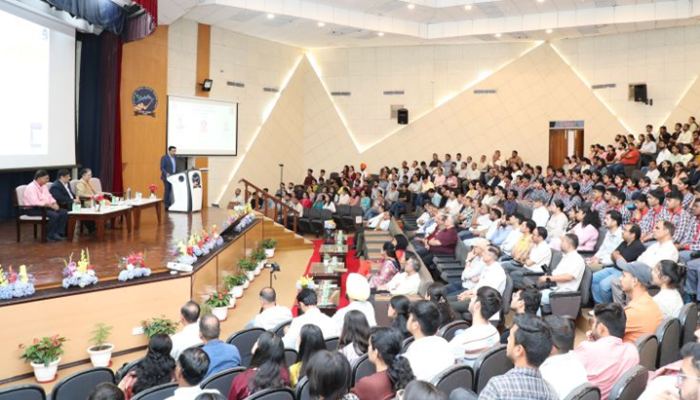
Dr S Venkat Mohan, Director, CSIR-NEERI, the Guest of Honour complimented the institute on its glorious journey and presented on key issues governing environmental sustainability.
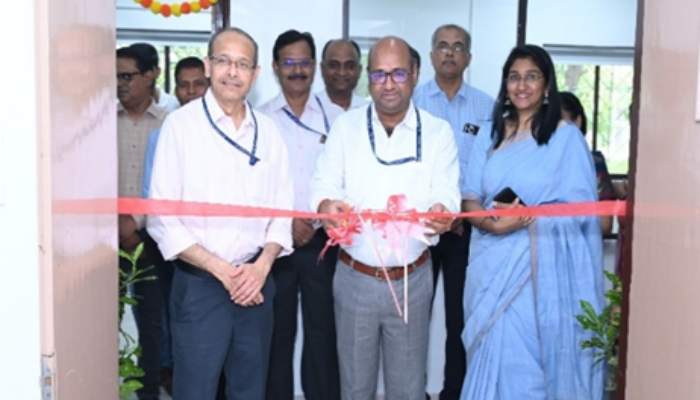
Dr Ashish Lele, Director of CSIR-NCL, emphasised that the enhanced facilities will provide crucial practical exposure to specialised instruments, improve industrial competency, and foster impactful innovation.


